
Thanks to my recent initiation into post-punk anarcho-folk outfit Pog, most of the festivals I’m going to this Summer are of the muddy field variety. The exception is this upcoming talk at Stoke Newington Literary Festival, where I’ll be attempting to match acclaimed writer on urban policy Ken Worpole‘s insights on the architecture of utopias in the built environment with my own observations from the virtual realm.
It’s five years since I published Barefoot into Cyberspace: Adventures in Search of techno-Utopia. Re-reading Thomas More’s 500 year-old Utopia for this talk, and particularly Book One (the one everyone forgets), I was reminded that being sceptical about people in power and their ability to act on the best information and advice is not a new thing. In his introduction to the Penguin Classic edition, Dominic Baker-Smith talks about More’s work being essentially an exploration of the “problematic relationship between imagined worlds and mundane reality”. Although reformers of all kinds will recognise this relationship immediately, I suspect it’s also something good software engineers think about too: after all, it’s actually their job to design perfect systems for non-perfect worlds.
Ken and I were introduced by the lovely Travis Elborough, who will chair the talk. He promises to help us “explore the concept of utopia, taking in Ebenezer Howard in Hackney, Garden Cities, Buckminster Fuller, Geodesic Domes, The Grateful Dead and the World Wide Web”. It’s on Saturday 4th June in Stoke Newington and you can buy tickets here.
 This Saturday, I’ll be appearing at the anarchist book fair in Whitechapel, London. Come along to hear me and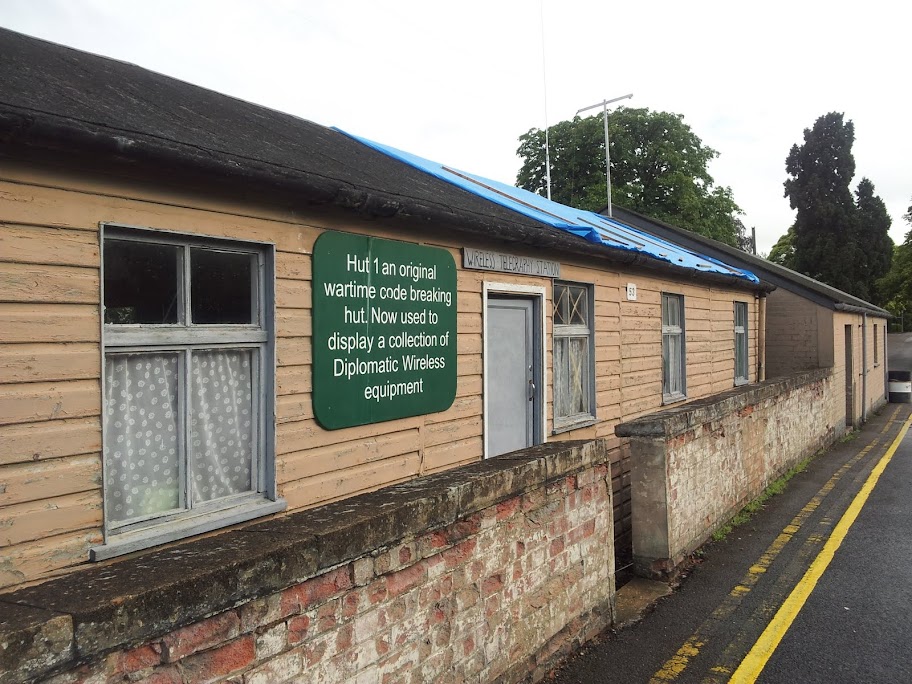
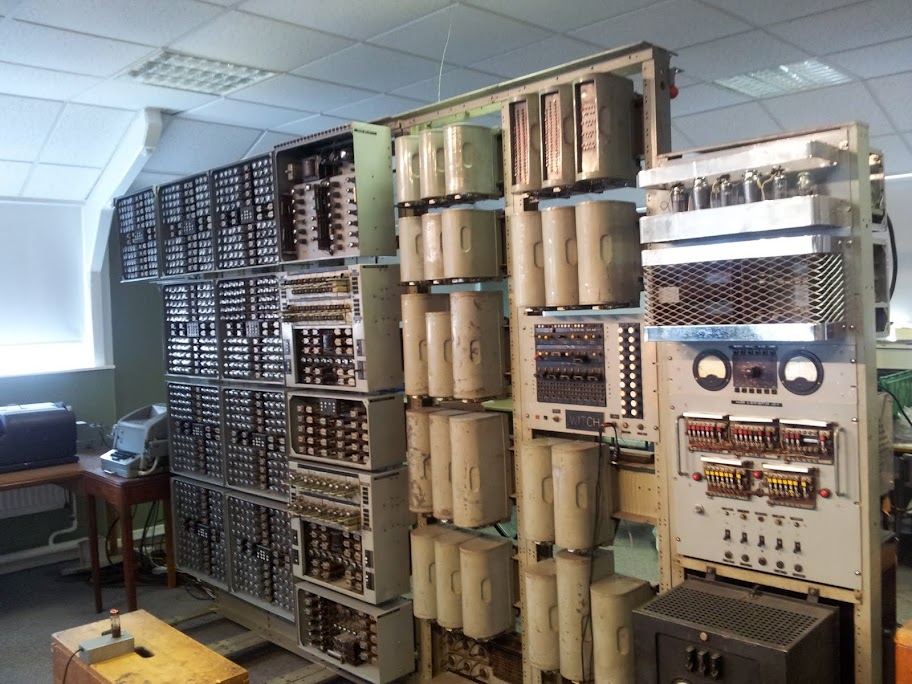
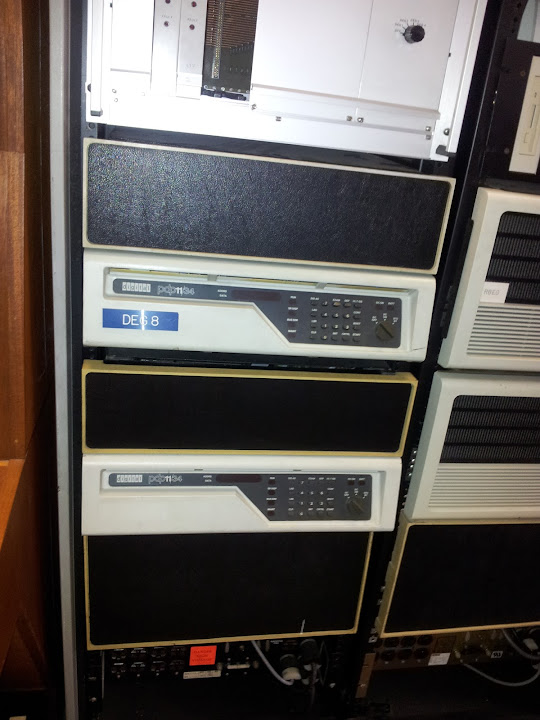
 Be it nostalgia, futurology, or just the desire to escape our home and seek our fortunes in foreign lands, human beings have a tendency to see happiness anywhere but where they are. But which way is techno-utopia: backwards, forwards, or sidewards? The trash culture of globalised mass-production may make us hamper for an age when the gadgets beginning to invade our home were made (in Britain) to last a lifetime, or it may make us hungry for a virtual world devoid of material detritus. What is certain is that a society’s approach to technology will be driven by the ideologies of the moment.


 The Barefoot Technologist